Ranthambore Safari Booking: An Unforgettable Wildlife Experience
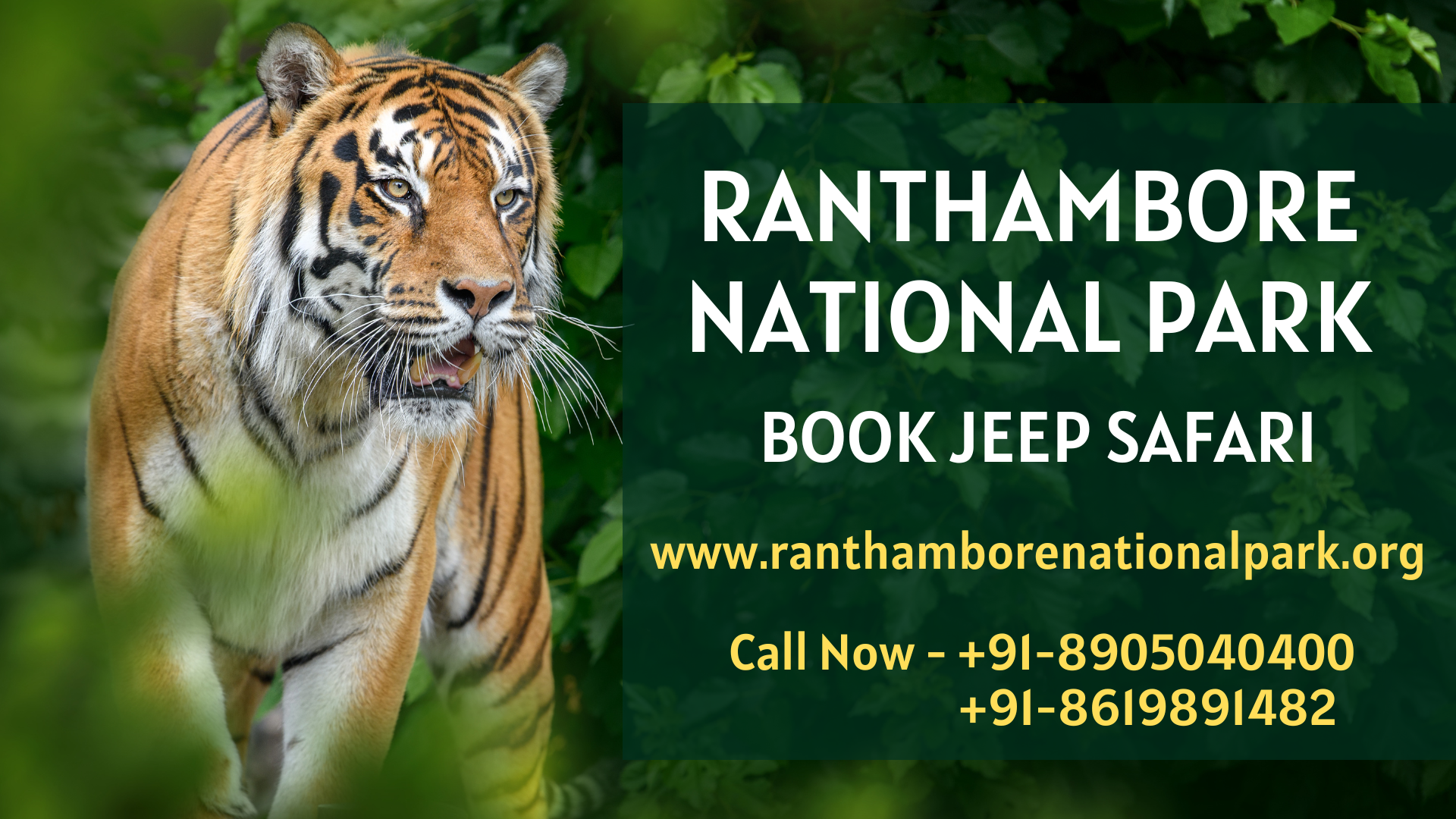
Ranthambore National Park, located in the Sawai Madhopur district of Rajasthan, India, is a wildlife enthusiast's paradise. Known for its marvelous tigers, varied plants and fauna, and breathtaking landscapes, the park offers an exceptional safari experience that brings in visitors from all over the world. Whether you're a skilled wildlife professional photographer or a newbie explorer, booking a Ranthambore safari Booking assures an experience that will stick with you for a life time.
Why Book a Ranthambore Safari?
Ranthambore is among the very best locations in India to identify the Royal Bengal Tiger in its natural environment. The park's thick forests, rolling hills, and open meadows offer the ideal setting for these stunning creatures to wander freely. But tigers aren't the only attraction-- Ranthambore is home to a wide variety of wildlife, including leopards, sloth bears, crocodiles, and over 300 species of birds. The park's biodiversity and the opportunity to witness wildlife in close proximity make it a must-visit destination.
Kinds Of Safaris Available
Visitors to Ranthambore National Park can pick in between two main types of safaris: the Jeep Safari and the Canter Safari
• Jeep Safari: Ideal for smaller groups, the Jeep Safari is performed in a 6-seater open vehicle, using a more intimate and versatile wildlife viewing experience. The smaller size of the vehicle permits access to narrow courses and unique tracks, increasing the possibilities of spotting elusive animals.
• Canter Safari: The Canter Safari is a 20-seater open bus, ideal for bigger groups. While it covers comparable routes as the Jeep Safari, the experience is more communal, and it's an exceptional alternative for budget-conscious travelers.
Each safari lasts approximately 3 hours and happens twice a day-- once in the morning and as soon as in the late afternoon. These timings are developed to coincide with the peak activity durations of the park's wildlife, optimizing the possibilities of sightings.
Booking Your Safari.
Booking a safari in Ranthambore can be done online through the official website of the Rajasthan Forest Department or through licensed travel representatives. It is recommended to book well in advance, specifically during peak seasons (October to June), as the number of vehicles allowed the park is limited to decrease ecological impact. When booking, you can pick between various zones of the park, each providing an unique landscape and wildlife experience. Zone 1 to 10 are the most popular, with Zones 1 to 5 being understood for higher opportunities of tiger sightings.
Accommodation Options
Ranthambore provides a variety of lodging choices to suit every spending plan, from luxury resorts to eco-friendly lodges and budget plan hotels. Staying near the park entrance is advised for easy access to your safari, specifically for early morning slots. Lots of resorts and hotels also use packages that consist of safari bookings, directed tours, and cultural experiences, providing a detailed Ranthambore experience.
Discovering Ranthambore Fort: A Journey Through History
While the wildlife safari is the piece de resistance at Ranthambore, the park is also home to the historic Ranthambore Fort, a UNESCO World Heritage Site that includes a rich cultural measurement to your visit.
A Glimpse into the Past
Ranthambore Fort, perched atop a hill within the national park, goes back to the 10th century and is one of the earliest forts in Rajasthan. The fort was a tactical defense point for the rulers of the region, managing the trade routes between North and Central India. It has experienced numerous battles, especially during the reign of the Chauhan dynasty, and later under the control of the Delhi Sultanate.
The fort is a vast complex with massive stone walls, imposing gates, and numerous temples and palaces within its premises. As you explore its ancient ruins, you can practically hear the echoes of wildlife national park history and envision the grandeur of the fort in its heyday.
Key Attractions at Ranthambore Fort
• Ganesh Temple: One of the most revered temples in the area, the Ganesh Temple within the fort is a significant pilgrimage site. Followers from throughout the nation visit to seek true blessings from Lord Ganesh. The temple's serene surroundings and scenic views of the park make it a serene retreat.
• Jogi Mahal: Situated near the Padam Talao, the biggest lake in the park, Jogi Mahal was once a hunting lodge for the Maharajas of Jaipur. Though closed to the general public, the mahal's area provides stunning views of the lake and the surrounding wilderness.
• The Fort's Architecture: The architecture of Ranthambore Fort is a mix of Rajput and Mughal designs, showing the numerous rulers who have occupied it over the centuries. The fort's bastions, gates, and temples are adorned with elaborate carvings and sculptures, providing a glance into the creative heritage of the area.
Exploring the Fort
Visiting Ranthambore Fort is like stepping back in time. The fort can be reached by a short trek from the park entrance, providing an opportunity to delight in the natural charm of the environments. The path is properly maintained and supplies sensational views of the park and the neighboring lakes. As soon as inside the fort, you can invest hours exploring its numerous structures, each with its own story to inform.
Integrating Wildlife and Heritage
A journey to Ranthambore is insufficient without experiencing both the awesome safari and the historical fort. The mix of wildlife adventure and cultural exploration makes Ranthambore an unique destination, offering something for everyone. Whether you're marveling at a tiger in the wild or soaking in the history of the fort, Ranthambore promises a memorable journey that will leave you with stories to share and memories to cherish.
When planning your visit, guarantee you designate time for both the safari and a fort tour. In this manner, you can totally value the natural and historic significance of this extraordinary region.